foreclosure

Real Estate Law/FinanceLegal glossary term

Legal Definition

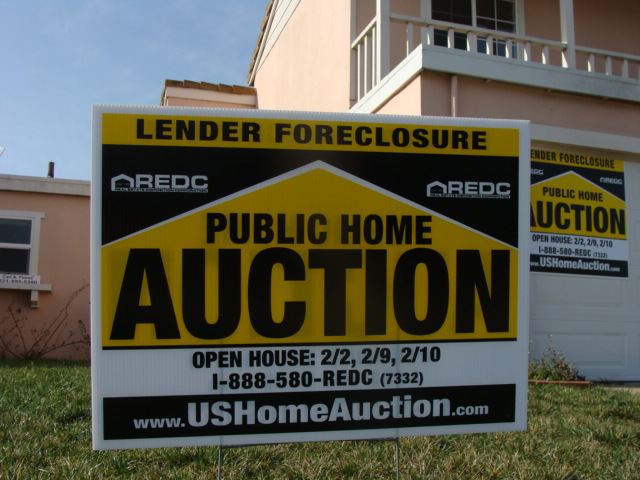
Foreclosure is a legal process where a lender attempts to recover the principal amount of a loan from the borrower, typically through the sale or auction of the property, when the borrower defaults on the debt obligations.

Plain-English Translation

Imagine you borrowed money for a house, and the owner stops paying the loan. Foreclosure is the legal action where the lender tries to take the house back because the owner stopped paying the mortgage payments.
Context in Contracts

It matters because it is the mechanism used by lenders to enforce the terms of a loan when the borrower defaults on payments, which is crucial in legal documents detailing the rights and obligations of both the lender and the borrower.

Visual model

Understand foreclosure fast

An explainer image has not been generated for this term yet.
01

Example 1: A bank initiates foreclosure proceedings against a homeowner who missed mortgage payments.

02

Example 2: A court order dictates the sale of a property to satisfy the lender's secured interest.

Document context

How foreclosure shows up in legal documents

What is it?

Foreclosure refers to the legal process by which a creditor (lender) attempts to recover the full amount of a debt secured by real property, usually through the sale of that property, when the borrower fails to meet the contractual obligations.

Why does it matter?

It matters because it is the mechanism used by lenders to enforce the terms of a loan when the borrower defaults on payments, which is crucial in legal documents detailing the rights and obligations of both the lender and the borrower.

When does it matter?

It usually appears when a borrower misses mortgage payments, leading to the lender initiating legal action to regain possession or recover the debt secured by the property.

Where is it usually seen?

It is usually seen in real estate contracts, loan agreements, judicial proceedings, and regulatory filings related to mortgage lending.

Who is affected?

The primary parties affected are the lender (who seeks to recover the debt) and the borrower (who faces the loss of their property or financial obligations).

How does it work?

It works by initiating a legal action to sell the property, often at a lower price than the original loan amount, to recoup the outstanding debt owed by the borrower.

Share

Send this term to someone else fast

Copy the link, open native sharing, or scan the QR code from another device.

QR code for foreclosure

Scan to open this glossary page on another device.

Wikipedia

Foreclosure

Foreclosure

Foreclosure is a legal process in which a lender attempts to recover the balance of a loan from a borrower who has stopped making payments to the lender by forcing the sale of the asset used as the collateral for the loan. Formally, a mortgage lender...

Open on Wikipedia

Move from term to document

See the real contract language around this term

A glossary definition helps, but actual risk usually lives in the surrounding clause. Upload the full document and BrieflyGo will map plain-English meaning, red flags, and next steps.

Disclaimer: We do not provide legal advice. We translate legal language into plain English and help you prepare for a conversation with a lawyer.